What to Expect During a Whole-home Renovation
A whole-home renovation is a big commitment. Here is a timeline of what actually happens from start to finish.

Michael Patrick
A whole-home renovation is one of the biggest projects a homeowner can take on. The result is worth it. The process is not something you want to walk into blind. Here is an honest, phase-by-phase breakdown of what actually happens from the day you sign a contract to the day you get your house back.
Before anything starts: design and planning
The work that happens before demo day is what determines how smoothly the project runs. This phase covers finalizing the scope of work, selecting materials, and pulling permits.
Material selection takes longer than most homeowners expect. Flooring, tile, cabinets, countertops, fixtures, hardware, paint colors. Every decision needs to be made before construction begins so the project does not stall waiting on a backordered cabinet or a tile that is out of stock. Getting ahead of selections is the single most important thing you can do to keep your timeline on track.
Permits take time depending on your municipality. Some are issued within a week. Others take three to four weeks. Your contractor handles the submission but the timeline is outside their control.
Expect this phase to take two to four weeks.
Demo
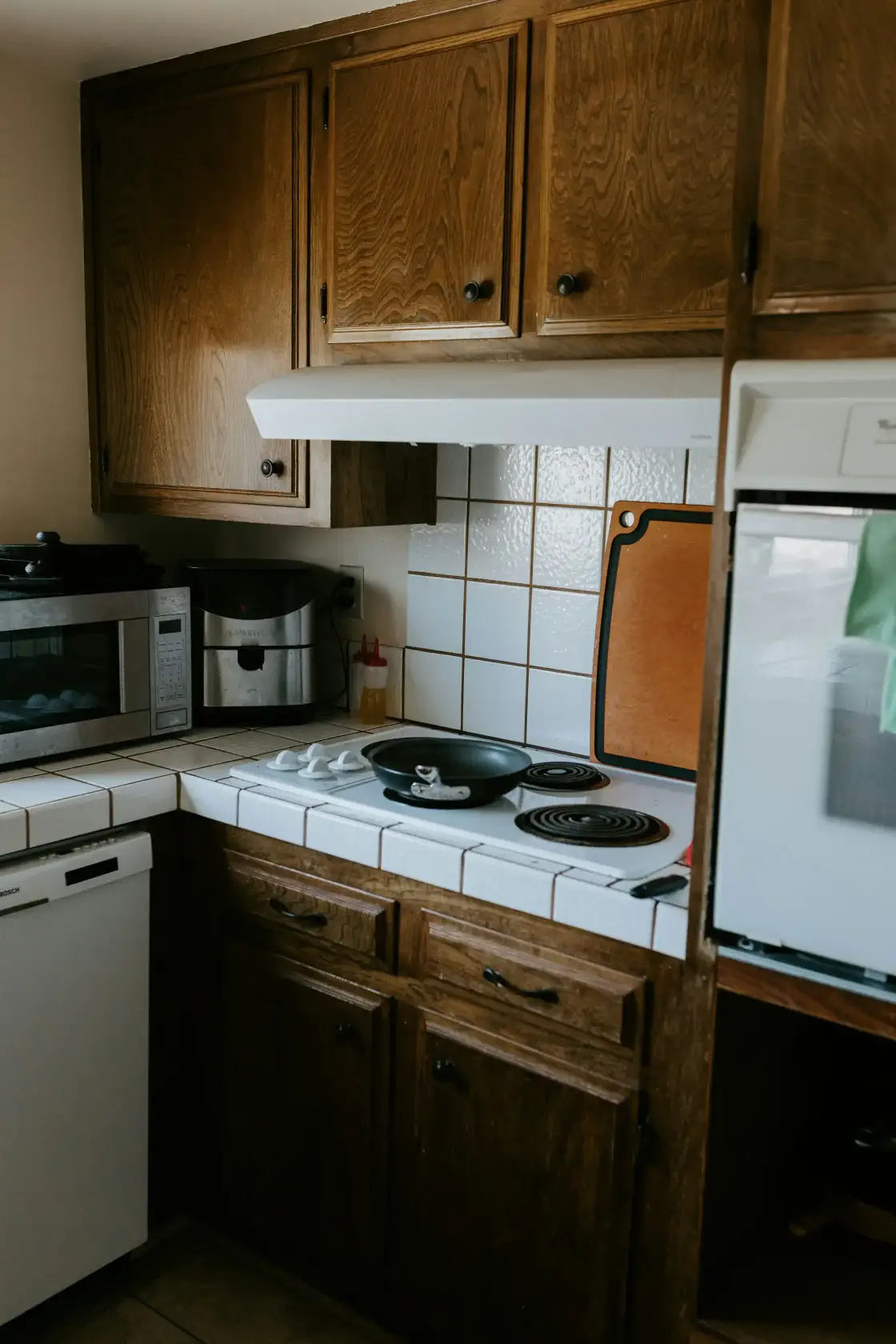
Demo is the loudest, dustiest, and most disorienting part of the project. Walls come down. Flooring comes up. Fixtures get removed. The house goes from lived-in to construction site in a matter of days.
This is also the phase where surprises show up. Water damage behind a bathroom wall. Knob-and-tube wiring inside a partition. A beam that was not on the original plans. Experienced contractors build contingency into the schedule and budget for exactly this reason. When something comes up, and something usually does, a good project manager tells you what they found, what it means, and what it costs to address it before any additional work is done.
Demo typically takes one to two weeks depending on the scope.
Rough-in work
Once the demo is complete and any structural surprises have been addressed, the rough-in phase begins. This is where the systems get installed or reconfigured: electrical, plumbing, HVAC, and any structural framing changes.
The house looks worse before it looks better during this phase. Walls are open, wiring is exposed, there are pipes sticking out of the floor. This is completely normal. Rough-in work has to be inspected and approved by your local building department before walls can close. Do not let anyone skip this step.
Rough-in typically takes three to five weeks depending on how much of the mechanical systems are being updated.
Insulation and drywall
After rough-in inspections are passed, the walls close. Insulation goes in, drywall gets hung, taped, mudded, and sanded. This phase is quieter than demo and rough-in but the dust is relentless. If you are living in the home during the renovation, invest in dust barriers and air purifiers for the rooms you are occupying.
By the end of this phase the house starts to look like a house again. Room shapes are visible. The layout starts to feel real. Most homeowners find this phase genuinely exciting after the chaos of demo and rough-in.
Drywall typically takes one to two weeks.
Finishes
This is the longest phase and the one that transforms the project from a construction site into a home. Paint, flooring, tile, cabinets, countertops, fixtures, hardware, trim, and doors all happen during this phase. The trades are coordinating closely and sequencing matters. Cabinets before countertops. Countertops before plumbing fixtures. Paint before trim. Flooring before appliances.
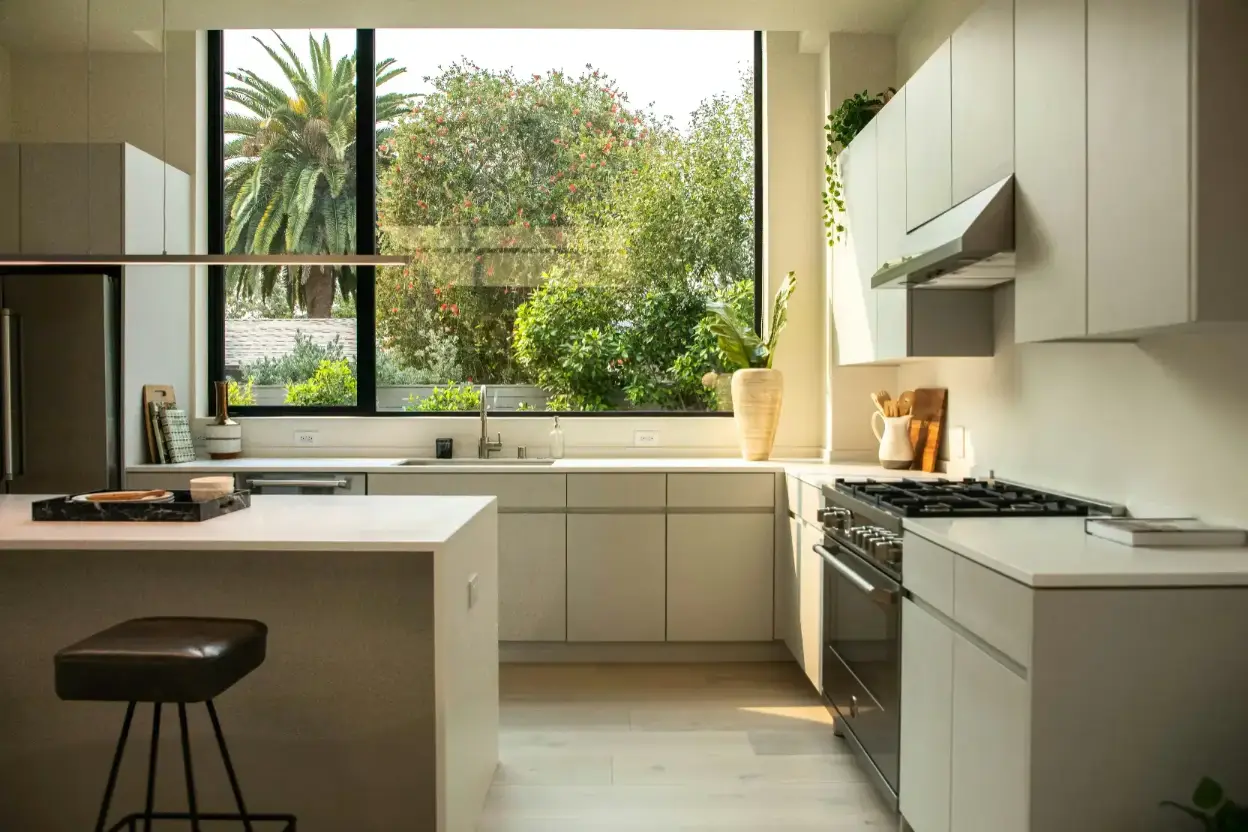
The finish phase is also where the vision starts to become visible. Colors are on the walls. The kitchen is taking shape. Tile patterns are emerging. This is the phase homeowners tend to visit the most often to check progress.
Expect the finish phase to take four to eight weeks depending on scope and the complexity of the materials selected.
Punch list and final walkthrough
Once the finish phase is complete, your project manager will do a full walkthrough of the home to build a punch list: a detailed list of every item that needs to be addressed before the project closes. Scratched tile. A door that does not latch properly. Paint touch-ups. Grout that needs cleaning.
You will then do your own walkthrough and add anything the project manager missed. The punch list gets completed before final payment is made. Do not skip this step or rush through it. Once you have signed off, the project is closed.
How long does a whole-home renovation actually take?
For most homes in the 1,500 to 3,000 square foot range, a full interior renovation takes three to six months from contract signing to punch list completion. Larger homes, homes with significant structural changes, or projects in areas with slow permit processing can run longer.
The homeowners who have the best experience are the ones who go in with realistic expectations, make their material selections early, communicate clearly with their project manager, and build a contingency into both their budget and their timeline. The project will have surprises. Every whole-home renovation does. How those surprises are handled is what separates a good contractor from a great one.
Living in the home during a renovation
This is possible for most projects with the right planning. Your contractor should be able to sequence the work so that at least one functional bathroom is available at all times and the kitchen remains partially accessible during the early phases. Be realistic about the disruption. Construction is loud, dusty, and unpredictable by nature. If you have young children, pets, or are working from home, have a plan for the days when the noise or the dust makes staying in the house impractical.