Should You Add On or Move
Sometimes an addition makes more sense than buying a new house. Here is how to decide which option is right for your family.

Courtney Rae

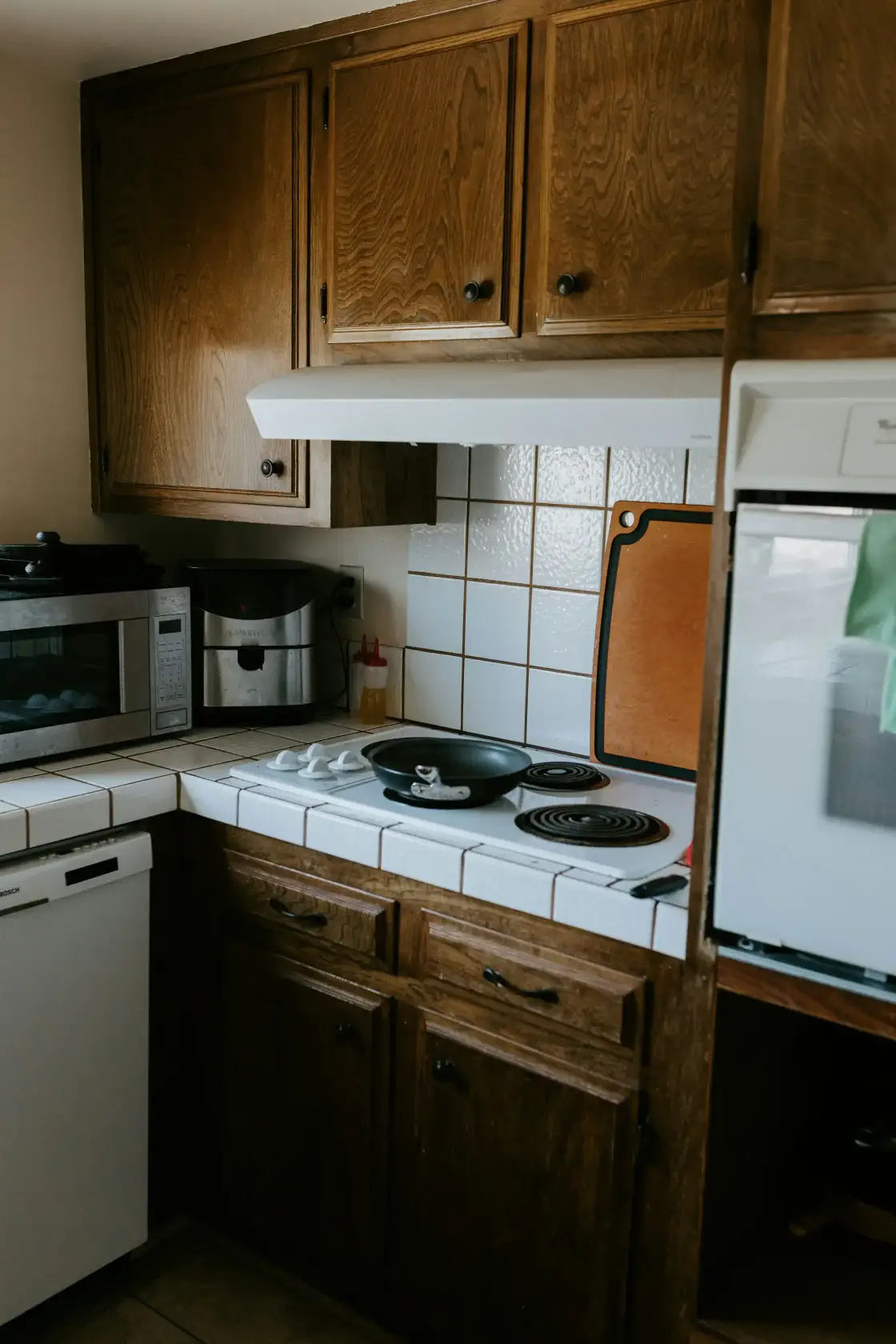
When your home stops fitting your life, the first instinct is to start browsing listings. But moving is more expensive, more disruptive, and more of a gamble than most people account for when they are standing in a cramped kitchen or a bedroom that doubles as a home office. Before you call a real estate agent, run the numbers on what an addition would actually cost. The answer might surprise you.
The real cost of moving
Most people calculate the cost of moving as the difference between what they sell for and what they buy for. That is not the full picture.
Factor in agent commissions on both sides, typically five to six percent of the sale price. Closing costs on the new home, usually two to three percent of the purchase price. Moving expenses. The cost of any updates or repairs needed to make the new home livable. And the premium you pay on a larger home in the same market you are already in.
For a family selling a $450,000 home and buying a $600,000 home, the true transaction cost can easily run $40,000 to $70,000 before they have touched a single wall in the new place. That money is gone. It builds no equity and returns nothing.
The real cost of an addition
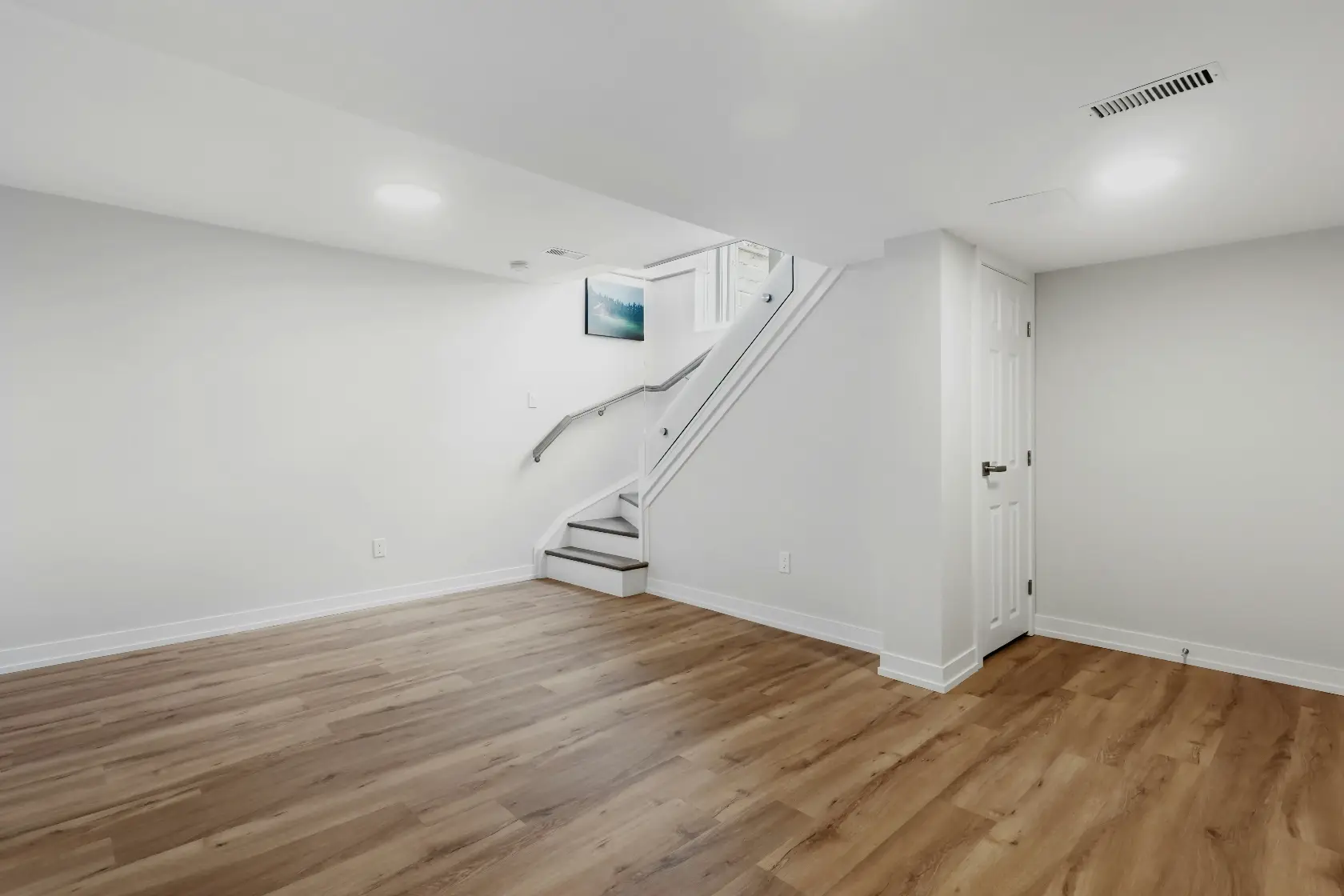
A well-designed addition typically runs $150 to $300 per square foot depending on the scope, finishes, and your local market. For 500 square feet of new living space, you are looking at $75,000 to $150,000. That is real money, but it is money that stays in the property. It increases your home's value, it improves your daily life, and you stay in the neighborhood you chose for a reason.
The addition also does not come with a new mortgage at a higher interest rate, new property taxes on a higher assessed value, or the hidden costs of adapting to a home someone else designed.
When an addition makes sense
An addition is the right call when the location is not the problem. If you love your neighborhood, your school district, your commute, and your neighbors, there is real value in staying. Moving to get more space means trading all of that for an unknown.
It also makes sense when the lot supports it. Not every property has room to expand horizontally, but many homes that cannot go out can go up. A second story addition on the right structure can double the living area of a home for a fraction of what buying equivalent space would cost in the same market.
Finally, an addition makes sense when what you need is specific. A primary suite. A mudroom. A proper home office. A larger kitchen. These are targeted problems with targeted solutions. You do not need to buy a whole new house to solve a specific problem.
When moving makes more sense
Moving makes sense when the location itself is the problem. If the school district is not where you want it, if the commute is unsustainable, or if the neighborhood has changed in ways that no longer fit your life, no amount of square footage will fix that.
It also makes sense when the home has fundamental structural or layout issues that cannot be solved with an addition. A house on a small lot with no room to expand and a layout that genuinely does not work is a harder case to make for staying.
And it makes sense when the local real estate market heavily favors selling. If homes in your area are appreciating quickly and you can sell high and buy before prices move further, the math can work in moving's favor.
The questions worth asking before you decide
What specifically is not working about the current home? Is it the size, the layout, the location, or all three? If the answer is size and layout, an addition probably solves it. If the answer is location, it probably does not.
What does your lot allow? Zoning rules, setbacks, and easements all affect what can be built and where. A conversation with a contractor before you rule anything out is worth the time.
What is the addition going to do to the home's value relative to the neighborhood? There is such a thing as over-improving for the street. If your home would be the most expensive on the block after an addition, that investment may not fully come back to you on a future sale.
What is your timeline? An addition takes three to five months. Moving can be faster if the right home is available. If you are on a tight timeline, that is worth factoring in.
The homeowners who are happiest
In our experience, the homeowners who regret additions are rare. They got the space they needed, they stayed where they wanted to be, and they built equity doing it. The homeowners who moved for space and wish they had stayed are more common than you would expect. They underestimated what they were giving up and overestimated how much a larger home would change their daily life.
Neither decision is wrong for every situation. But the addition deserves a serious look before you put a for sale sign in the yard.