Choosing The Right Deck Material For Your Home
Pressure-treated wood, composite, and PVC all have tradeoffs. Here is an honest comparison to help you decide.

Alyssa Finley

Rachel Gonzalez
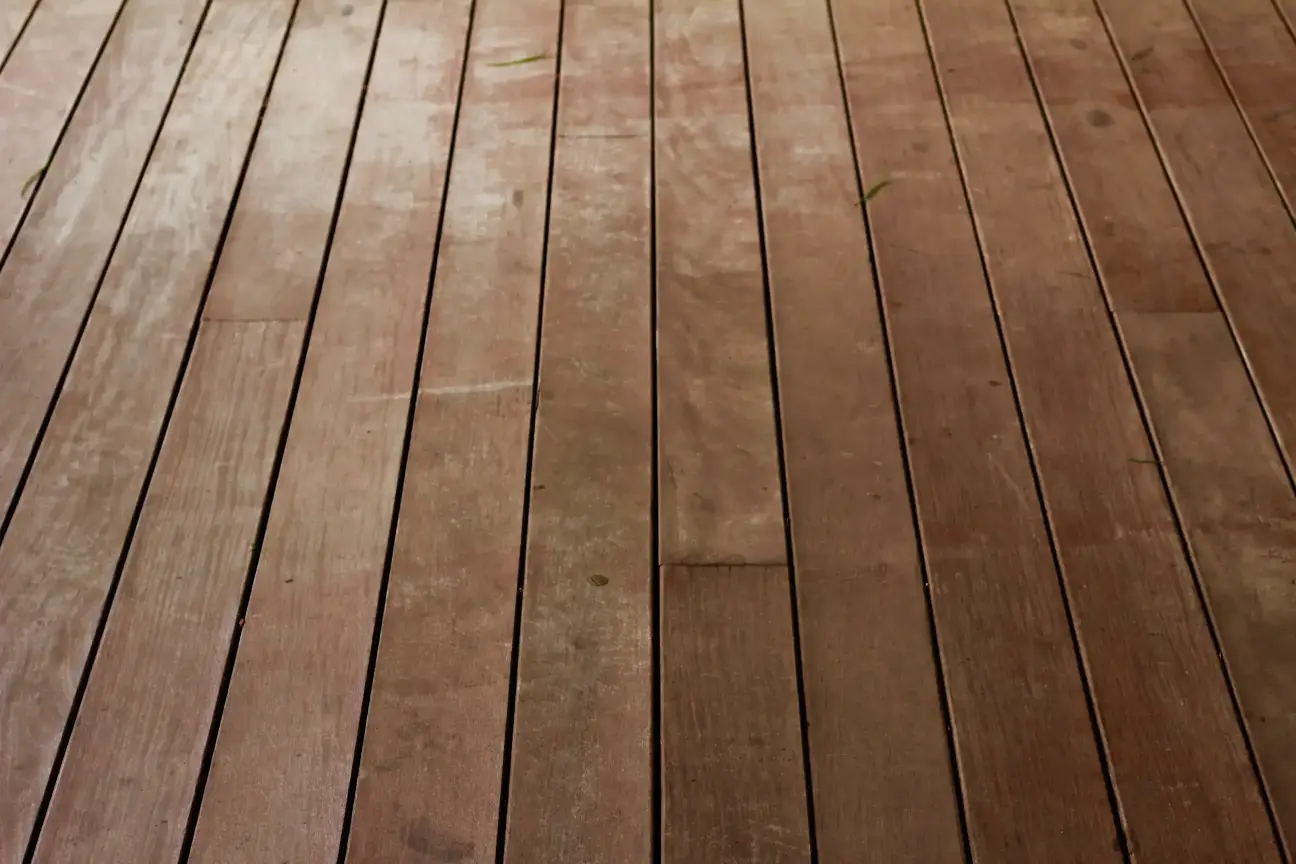
Choosing a deck material is one of the most consequential decisions in any exterior remodeling project. Get it right and you have an outdoor space you enjoy for twenty-five years with minimal effort. Get it wrong and you are restaining every spring, replacing boards every few years, and eventually tearing the whole thing out anyway. Here is an honest look at the three main options so you can make the decision that is right for your home, your budget, and how you actually want to spend your weekends.
Pressure-treated wood
Pressure-treated lumber is the most common deck material in North America and the least expensive option upfront. A pressure-treated deck typically runs $15 to $30 per square foot installed depending on your region and the complexity of the design.
The appeal is straightforward. It is widely available, easy to work with, and looks great when it is new. A freshly built pressure-treated deck has a warmth and character that some homeowners genuinely prefer over the alternatives.
The tradeoff is maintenance. Pressure-treated wood needs to be cleaned and sealed or stained every one to two years to hold up against moisture, UV exposure, and foot traffic. Skip a year and you will see it in the wood. The boards will start to gray, check, and eventually crack. Left unaddressed, a pressure-treated deck that looked great at installation can look neglected within five years.
Over a fifteen to twenty year lifespan, the true cost of a pressure-treated deck, including materials, installation, and ongoing maintenance, often approaches or exceeds the upfront cost of composite. The lower initial price is real. The long-term savings are less clear.
Best for: Homeowners with a tight upfront budget who are genuinely committed to annual maintenance, or projects where the deck will be replaced or significantly changed within ten years.
Composite decking
Composite decking is made from a combination of wood fiber and recycled plastic. It has improved dramatically over the past decade and the best products today are difficult to distinguish from natural wood at a glance while outperforming it in almost every practical way.
A composite deck typically runs $30 to $50 per square foot installed. The upfront cost is meaningfully higher than pressure-treated, and that is the point where many homeowners hesitate.
Here is why it is usually worth it. Composite requires almost no maintenance. An annual wash with a garden hose or a deck cleaner is all most products need. It does not rot, splinter, or check. It resists fading, staining, and mold. Most quality composite products carry twenty-five to thirty year warranties. Over the life of the deck, the cost differential between composite and pressure-treated largely disappears when you account for staining, sealing, and repairs.
Composite also offers consistency that natural wood does not. The color and texture are uniform, boards do not warp or cup unpredictably, and hidden fastener systems create a clean surface without visible screws.
The one honest drawback is heat retention. Composite decking absorbs more heat than wood in direct sunlight and can be uncomfortable to walk on barefoot on a hot summer afternoon. This varies by product and color, with lighter colors performing better in hot climates.
Best for: Homeowners who want a low-maintenance outdoor space they can actually enjoy rather than maintain, and anyone planning to stay in the home long enough to realize the value of the upfront investment.
PVC decking
PVC decking is made entirely from polyvinyl chloride with no wood fiber content. It is the most expensive option, typically running $40 to $60 per square foot installed, and it is also the most durable and lowest maintenance of the three.
Because it contains no organic material, PVC is completely impervious to moisture, rot, and insects. It does not support mold growth, it cleans easily, and it holds its color exceptionally well over time. For homeowners in high-moisture climates, near the ocean, or with decks that are heavily shaded and do not dry out quickly, PVC is worth serious consideration.
The tradeoffs are cost and feel. PVC is the most expensive option upfront by a meaningful margin. And some homeowners find that it feels more synthetic underfoot than composite or wood, which matters if the tactile experience of natural materials is important to you.
Best for: High-moisture environments, coastal properties, and homeowners who want the absolute minimum maintenance obligation over the life of the deck.
What about hardwood?
Tropical hardwoods like ipe, teak, and tigerwood are worth mentioning because they show up in design inspiration regularly. They are beautiful, extremely durable, and carry a premium aesthetic that composite and PVC cannot fully replicate.
They are also expensive, ranging from $50 to $80 per square foot installed, and they require specific maintenance including oiling rather than staining to maintain their color. Left unmaintained, most tropical hardwoods will gray naturally, which some homeowners prefer. They are also increasingly subject to sustainability concerns depending on sourcing.
If the look of natural hardwood is a priority and the budget supports it, hardwood is a legitimate choice. For most homeowners comparing practical options in a realistic budget range, it is not the primary consideration.
How to decide
Start with your maintenance tolerance, not your budget. Be honest with yourself. If the idea of spending a weekend every spring cleaning and sealing a deck feels like a reasonable trade for a lower upfront cost, pressure-treated is a legitimate option. If that sounds like a chore you will resent and eventually skip, pay more upfront for composite and stop thinking about it.
Then consider your timeline. If you are planning to sell the home in three to five years, the calculus is different than if you expect to be there for twenty. A composite deck is a stronger selling point and requires less preparation before listing.
Finally, think about the specific conditions of your site. A deck in full sun in a dry climate is a different situation than a shaded deck in the Pacific Northwest that stays damp for six months of the year. The right material for one is not necessarily the right material for the other.
Whatever you choose, the framing, ledger attachment, and drainage underneath the deck matter as much as the decking material on top. The most expensive composite boards on a poorly built frame will underperform a basic pressure-treated deck on a well-built one. Start with a solid structure and choose the surface material that fits your life from there.